
How beavers brought Birch Creek back to life
After years of effort, a Preston-area rancher shows how beavers can transform a struggling stream into thriving habitat
When Jay Wilde returned to his family’s ranch as an adult, he was dismayed to see it wasn’t as he remembered — Birch Creek was drying up.
Something else was different, too: there were no beavers. Wilde began to wonder if the two were connected.
That sparked a yearslong effort — starting in 2006 — to bring beavers back to the property.
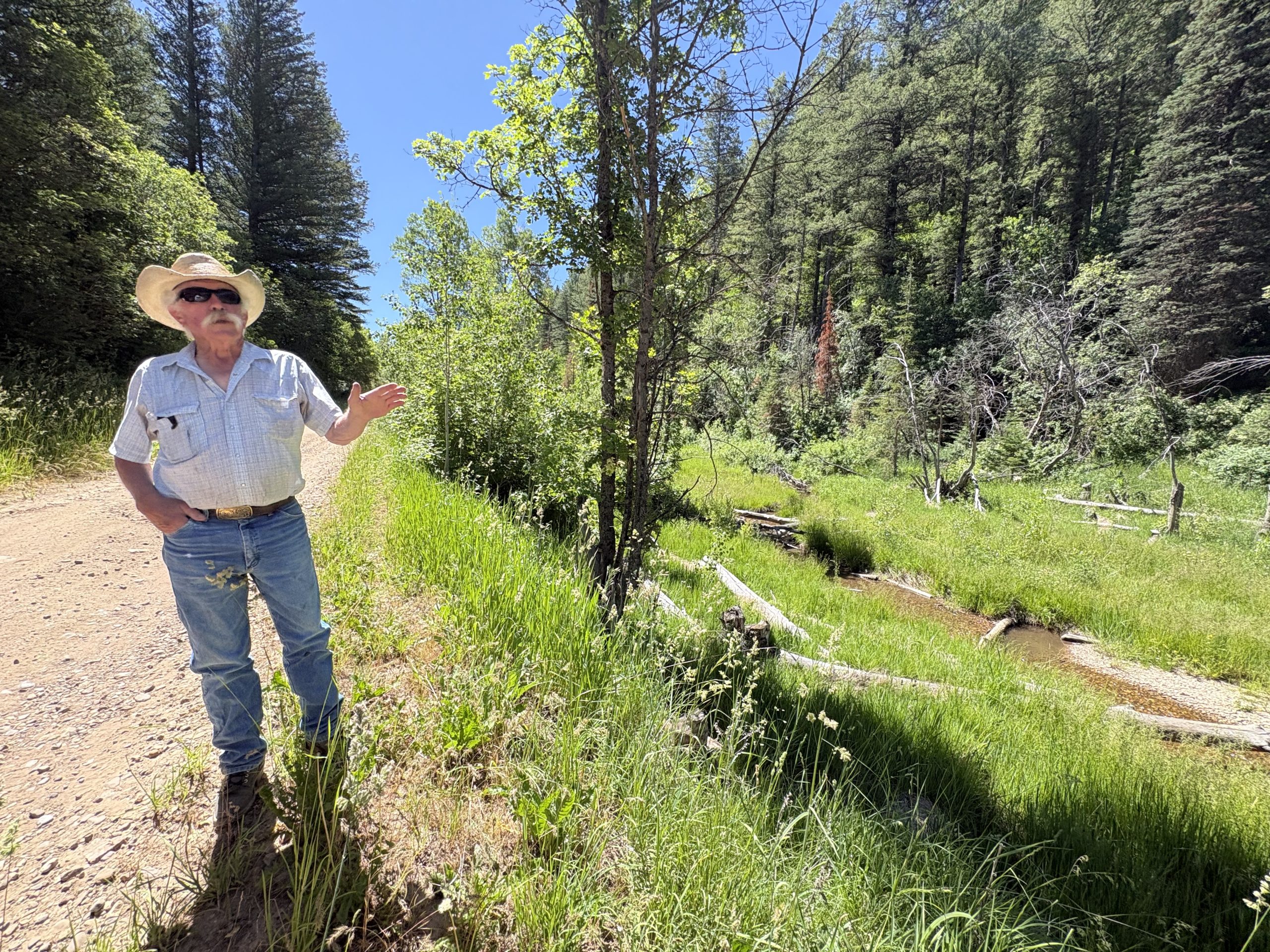
Initial attempts were unsuccessful; the beavers disappeared shortly after being released. Wilde surmises the problem was a lack of deep pools, which beavers rely on for protection from predators.
Enter beaver dam analogs — human-built structures designed to mimic natural beaver dams.
In 2014 and 2015, more than a dozen analogs were installed on Birch Creek. That work came to fruition thanks to a number of partners, including Joe Wheaton, a professor of watershed sciences at Utah State University; dedicated researchers and volunteers; and natural resource partners at the state and federal levels.
This time, when beavers were reintroduced, they stayed. Before long, they began building dams of their own.
Today, an estimated 20 to 30 beavers call Birch Creek home.
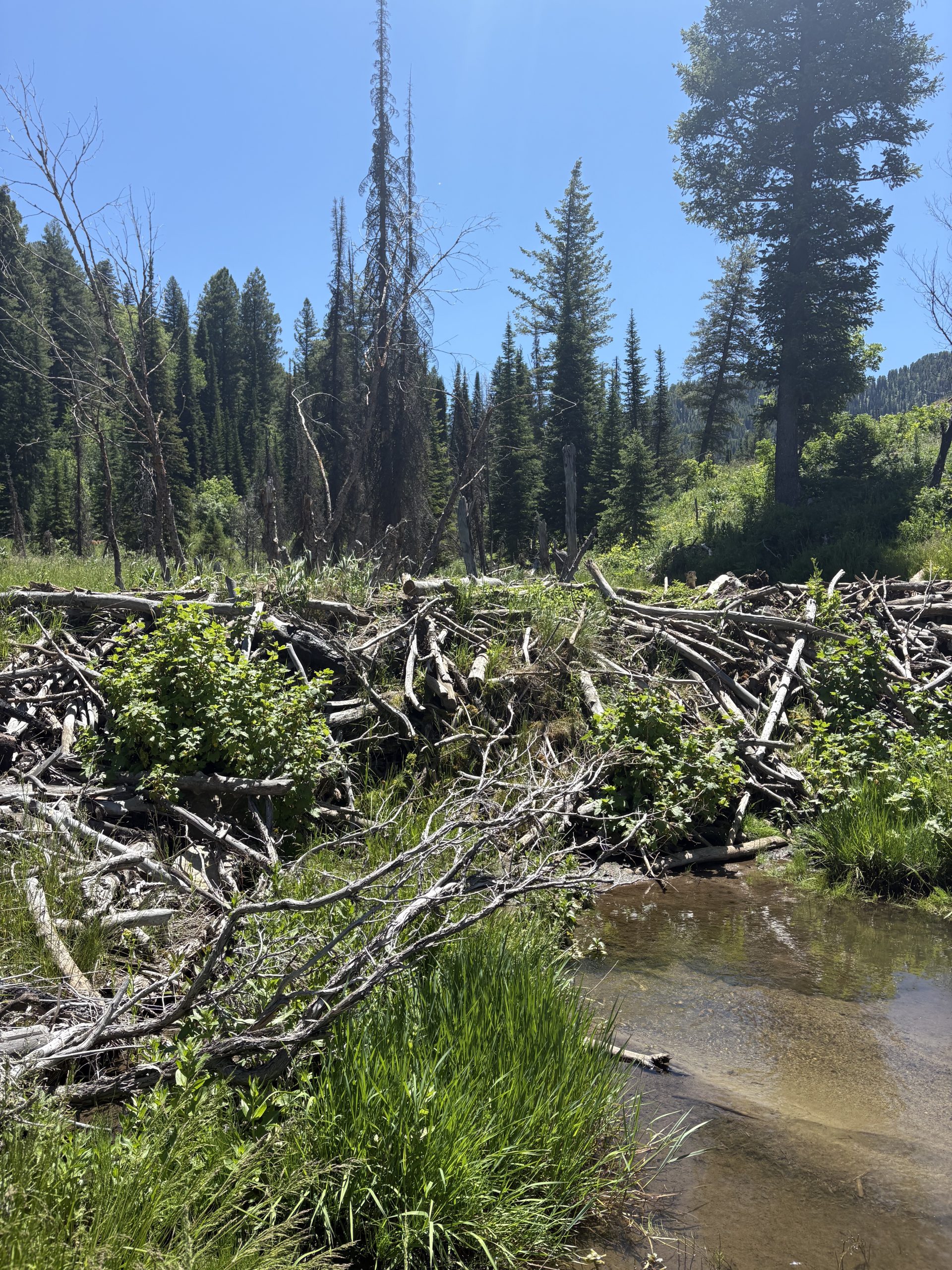
The creek now flows year-round, benefiting a half-dozen downstream property owners, including Sagebrush Steppe Land Trust, which owns a preserve nearby.
And impacts on the ecosystem have been profound.
“What it’s done for the fish is more important than what it’s done for me with the perennial flow,” Wilde said.
Bonneville cutthroat trout populations have increased, while willows and sedges have flourished along the stream corridor. Mallards are raising their ducklings in beaver ponds, and moose sightings are becoming more common.
This success stems from a dramatic shift in perspective. In years past, farmers and ranchers saw beavers as a nuisance, Wilde said, because they dammed up canals and culverts.
“I had to change my mind about beavers,” he continued. “It’s been a whole paradigm shift, a whole different way of thinking.”
Today, he celebrates beavers as a keystone species and recognizes the critical role they play in healthy ecosystems.
“That running water right there is the proof,” Wilde said, pointing to the creek. “Even a cowboy understands it.”
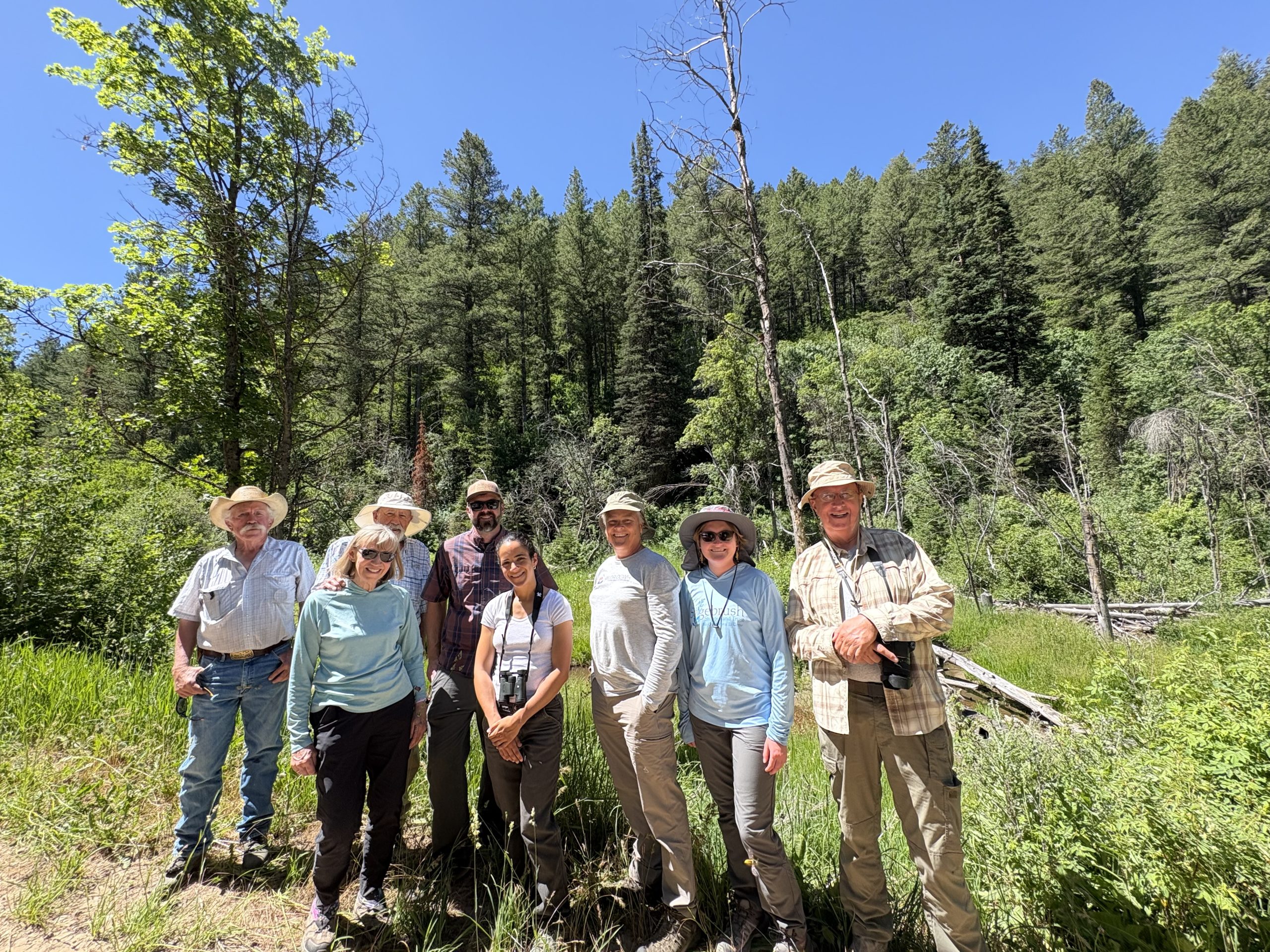
People from around the world have come to see the Birch Creek success story firsthand.
“It’s become a poster child for restoration,” Wilde said. “I would’ve never dreamed of the changes that we’ve been able to see.”
“(Wilde’s) story has motivated ranchers not just here in the American West, but everywhere from New Mexico to Alberta, and farmers from Kansas and Nebraska to the French countryside,” Wheaton said in a USU article about the project.
Eric Pankau, stewardship manager at Sagebrush Steppe Land Trust, said it’s an inspiring example of what beaver reintroduction can achieve, and one he hopes to emulate at Kackley Ranch Preserve. The land trust is currently working on a multi-phase restoration of Chippy Creek, which will ultimately benefit the Blackfoot River Watershed and a number of species, including Yellowstone cutthroat trout.
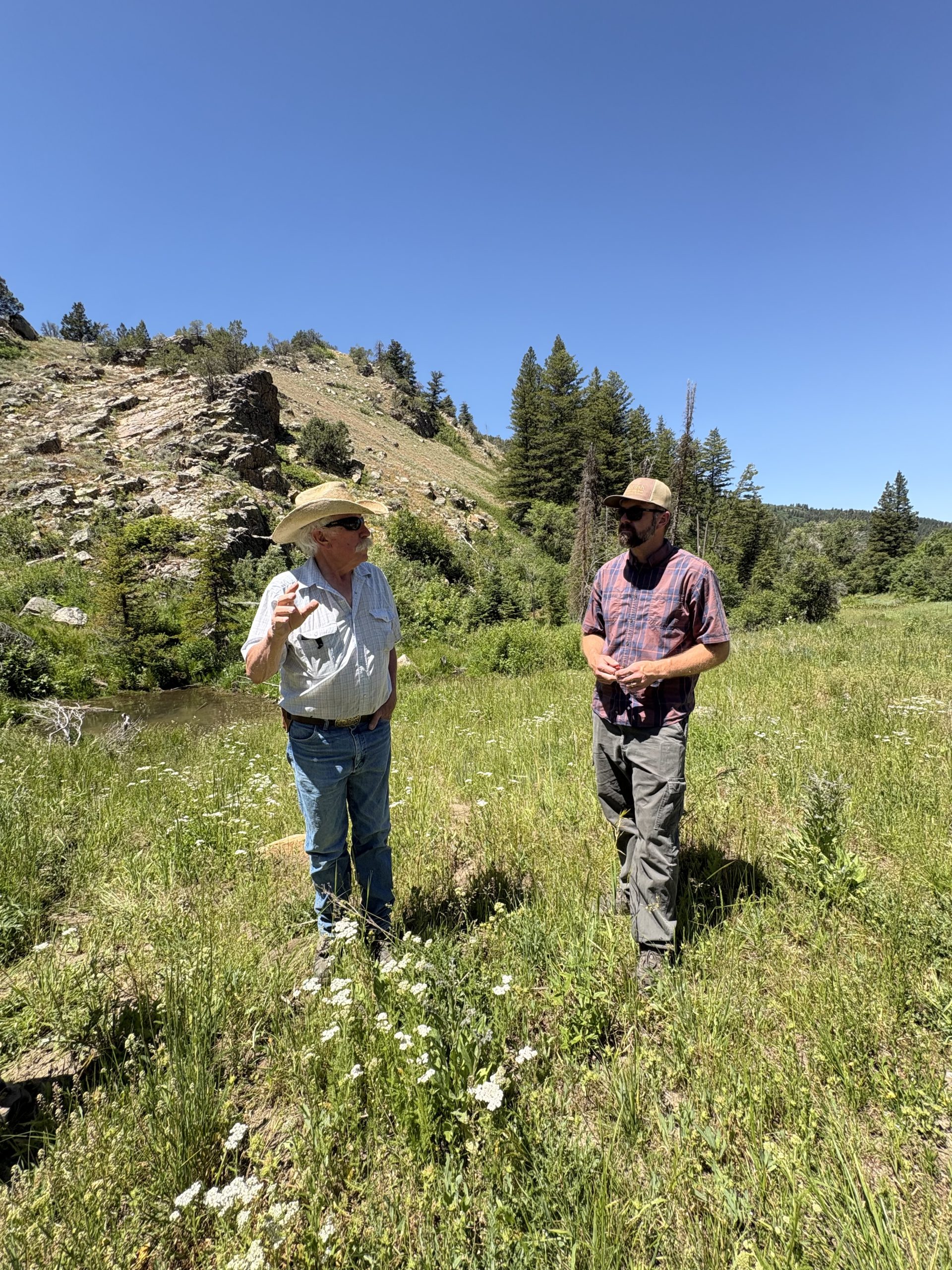
“Seeing what Jay’s done on Birch Creek gives us a real blueprint for projects in other stream systems,” Pankau said. “It shows that with the right structures and a little patience, beavers can do restoration work at a scale we just can’t match with equipment alone.”
Stay tuned for more details on SSLT’s Chippy Creek restoration efforts. Learn more about Jay Wilde’s beaver restoration project on PBS’ ‘Shared Planet’ Episode Four.
Related News
Land conservation and economic vitality go hand-in-hand, new study finds
Land conservation and economic vitality go hand-in-hand, new study
Sagebrush Steppe Land Trust Announces Permanent Protection of over 800 Acres in Southeast Idaho
POCATELLO — Sagebrush Steppe Land Trust (SSLT) is pleased